If you keep your eyes open you will see that Method Homes is installing three modular, Built Green townhomes across the street from the West Seattle Golf course that will be available for presale. The homes will be installed in 12 pieces over 2 days on December 2 and 3 at 2814 S.W. Genesee St.The project was built to near-completion in their factory in Ferndale, WA, including installation of windows, floors, kitchens, baths, and appliances, and will be trucked to the site and installed using cranes. On site work will involve joining the modules at the seams, utility connections, and installing remaining siding, which typically takes 6 to 8 weeks.
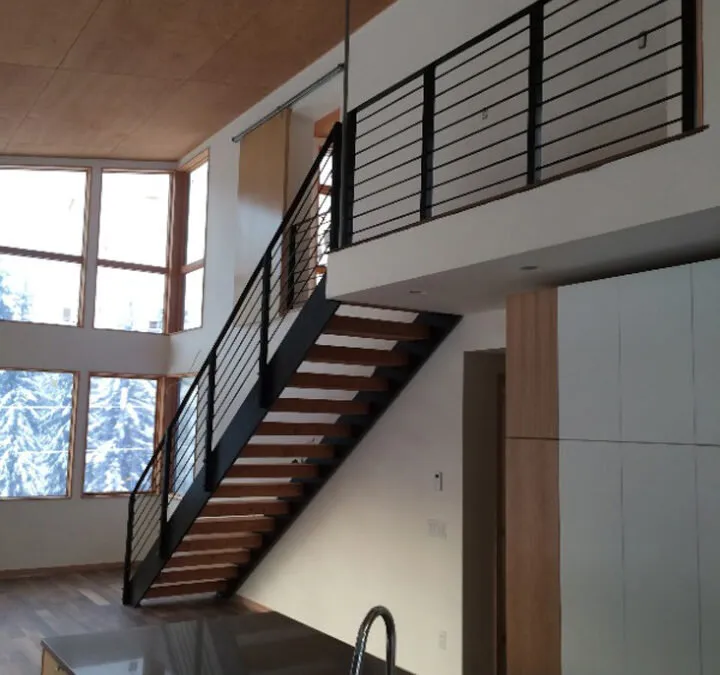
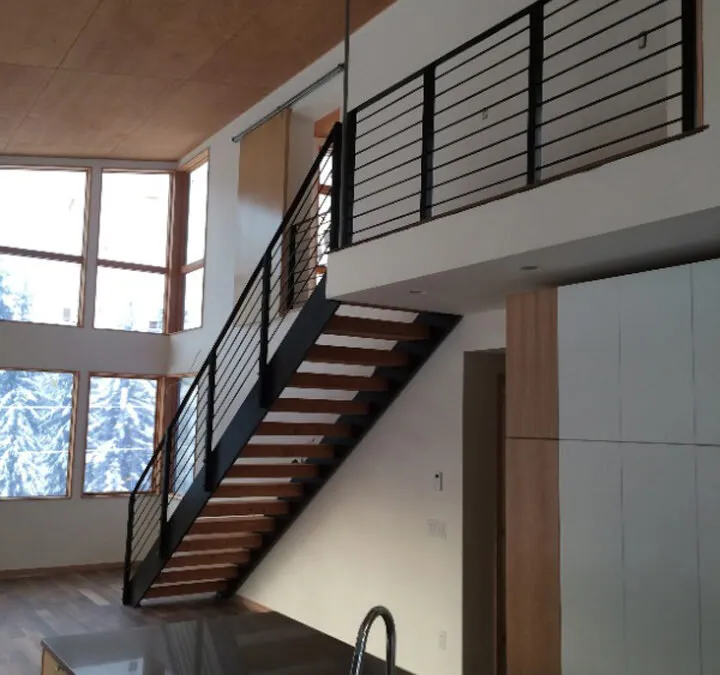
Method has been busy on several installs around the country these past few weeks, and we are excited to be sharing some on site photos from one of our projects set over the summer. Here is a preview of the interior of the new Girdwood, Alaska Custom Cabin designed by our partners Prentiss + Balance + Wickline Architects:
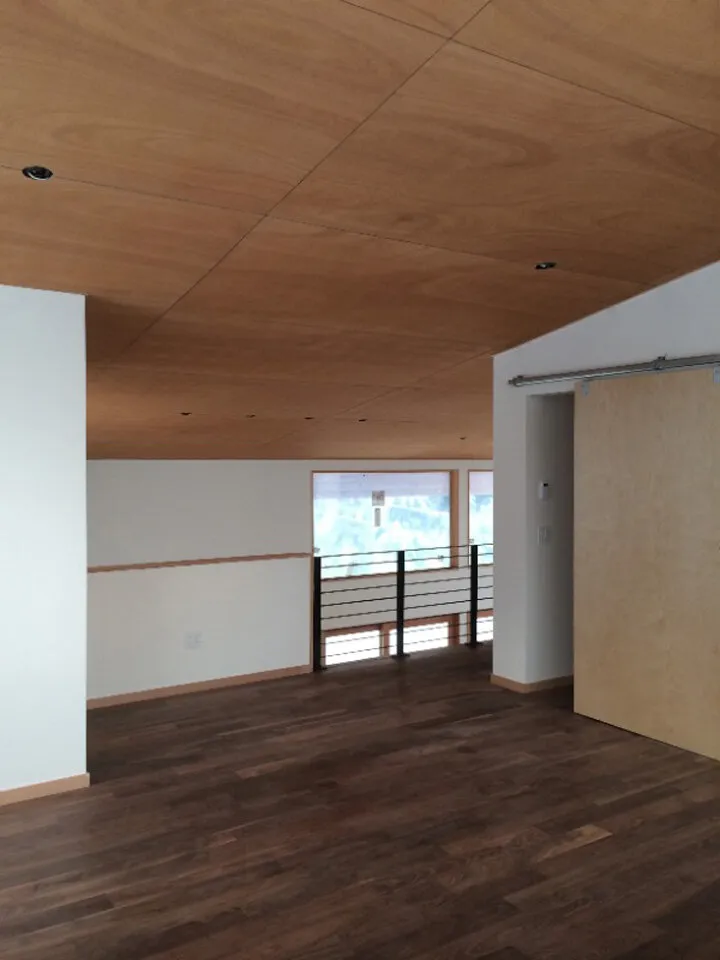
Upstairs loft area with Walnut hardwood floors and Okume plywood ceilings.
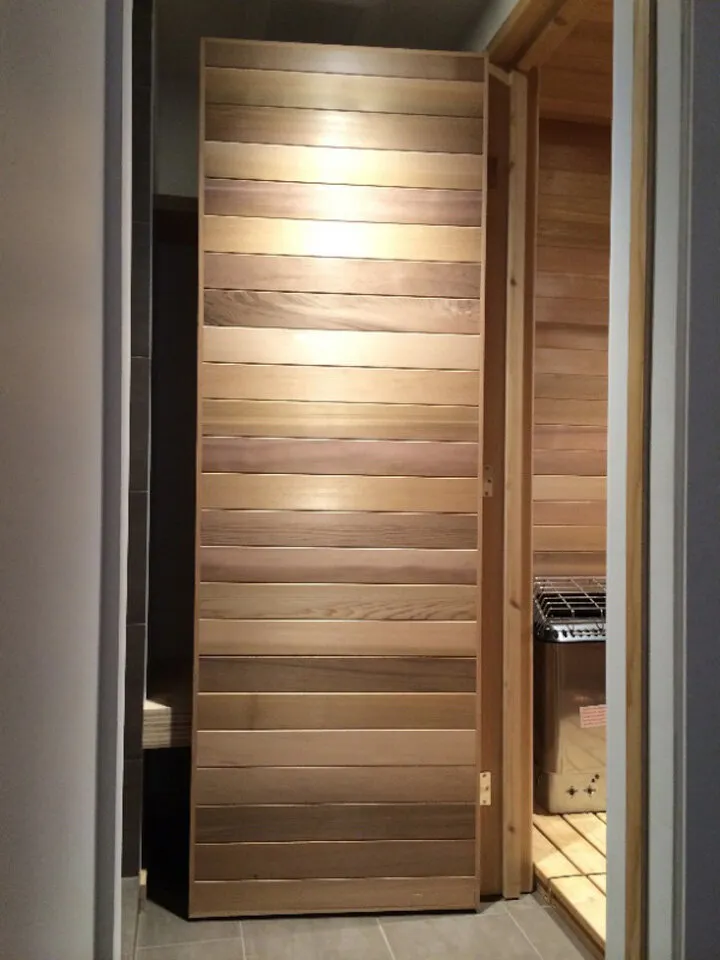
Custom clear Cedar Sauna. The interior features a bench made of reclaimed Fir.
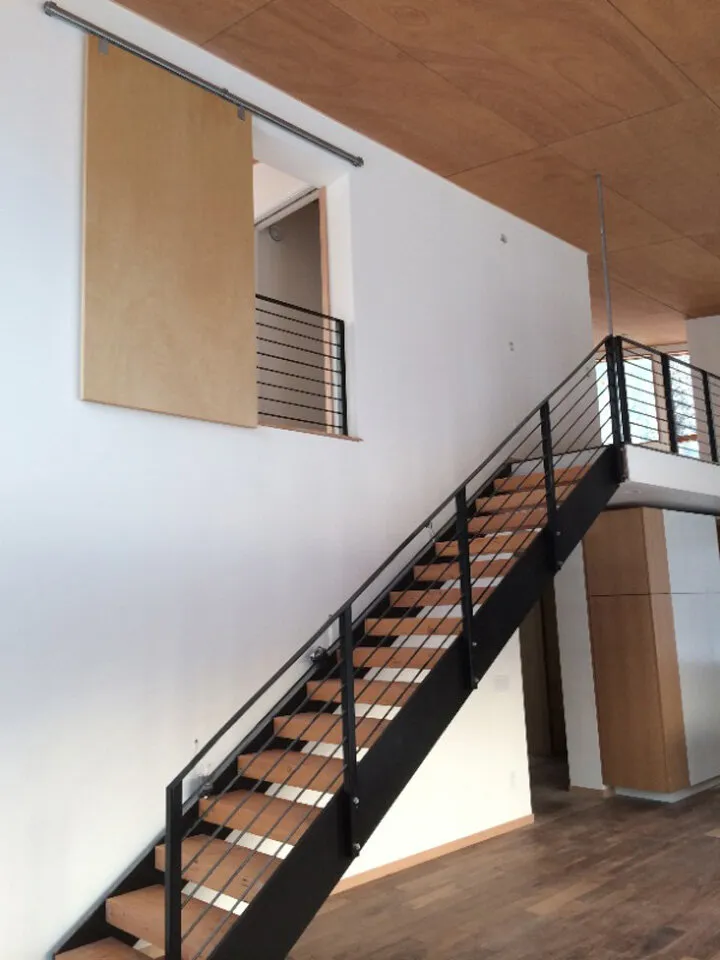
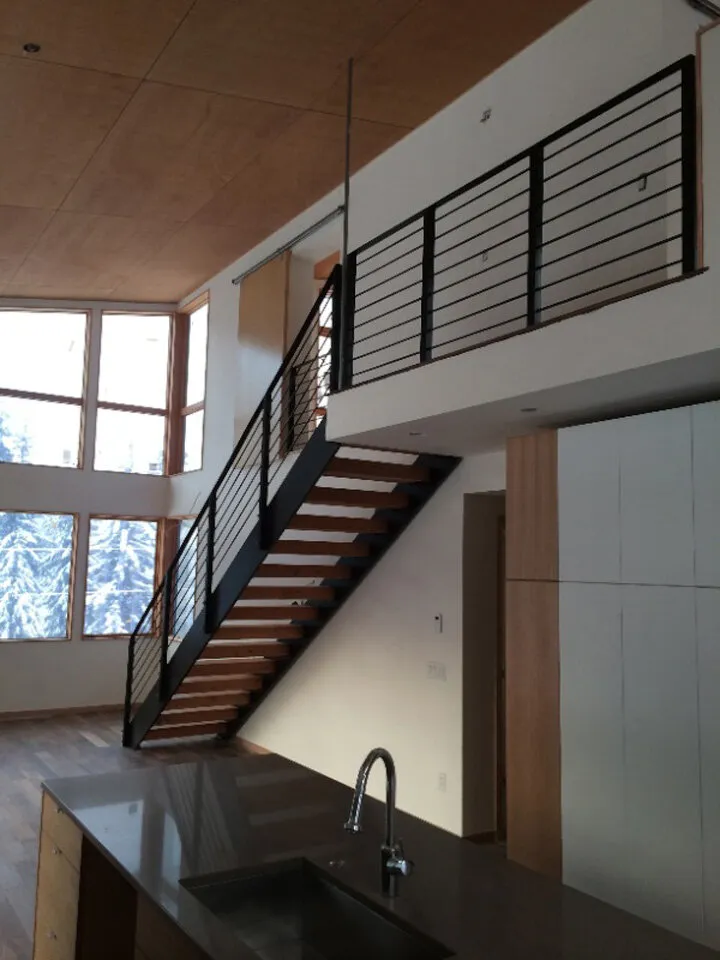
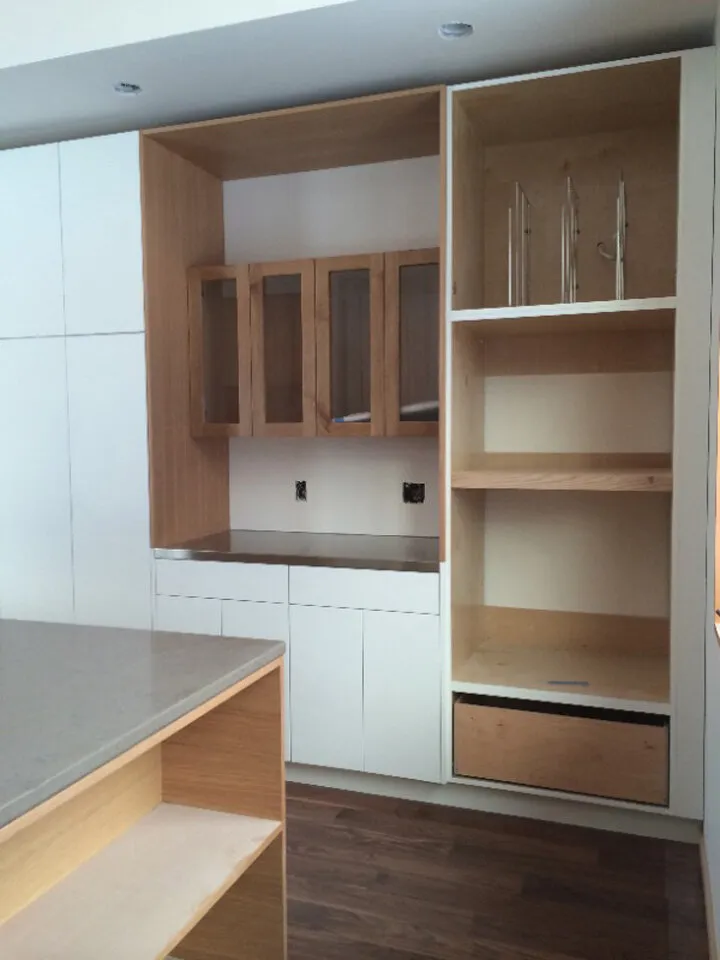
We will continue to update you on the progress and share exterior photos soon.


Our team is in the process of building a custom off-grid cabin that will head to B.C. Channel Islands. Below are photos of the island site and initial prep work for a dirt road that will allow the clients to access the cabin from the dock on ATVs. We will share more details on the new cabin in the coming weeks.
.webp)
Seattle, Washington – Modular builder Method Homes was recognized at Seattle Business magazine’s Green Washington Awards held Tuesday, October 29, at the Washington State Convention Center. In addition to identifying a Washington Green 50 list of outstanding organizations, the magazine recognized winners in 12 categories drawn from across the state and from virtually every sector of the economy. Method Homes was awarded silver recognition in the manufacturing category.
“We are pleased to see so many companies introducing innovative technologies, policies and processes that make our economy more environmentally sustainable,” said Leslie Helm, editor of Seattle Business. “Our goal is to encourage those efforts by recognizing the best organizations and holding them up as models for others to follow.”
Founded with a core value of building homes and commercial buildings that incorporate thoughtful, sustainable design, Method Homes was recognized by Seattle Business magazine for its mindful manufacturing practices and establishing a portfolio of projects designed and built to meet some of the country’s leading building certifications, including LEED, Passive House, and Living Building Challenge.
In spring of 2012, Seattle Business magazine named Method Homes Washington State Emerging Manufacturer of the Year, recognizing them for their innovative building practices and notable growth in revenue. Method Homes was also named Washington’s Fastest Growing Private Company in 2012 by the Puget Sound Business Journal. Friends Brian Abramson and Mark Rylant co-founded Method Homes in 2007 and have since launched 8 lines of sustainable prefab home designs, a commercial construction division, Method Prefab, and an East Coast manufacturing facility.
To see the full list of the Washington Green 50 and learn more about the 2013 winners, click here.
About Method Homes
Method Homes (Method) is a custom manufacturer of precision-built prefabricated structures. The company offers both pre – designed models and fully custom prefabrication of any design by any architect. Method is guided by the core value of thoughtful, sustainable design. Prefabrication allows Method to reduce construction timelines and control costs while building custom projects in a controlled environment, minimizing exposure and waste. As such, Method can focus on sustainability and cutting edge design. Method’s structures are available throughout the U.S. and Canada and ship 80 to 95% complete, resulting in project timelines of 2 to 5 months. Follow on Facebook, Twitter, and Instagram, all at: methodhomes.
On Tuesday night, Seattle Business magazine hosted the Green Washington Awards in downtown Seattle. Method is honored to have made the Green 50 list, in addition to being named a Silver Award winner in the Manufacturing category.
The Green 50 includes Washington-based organizations of all sizes who are actively implementing sustainable business practices. Method is also happy to see our recent project partners The Miller Hull Partnership and Habitat for Humanity of South King County on the list. Congrats to everyone. Photos courtesy of John Curry Photography.
The full list of award winners and the top 50 can be seen here.
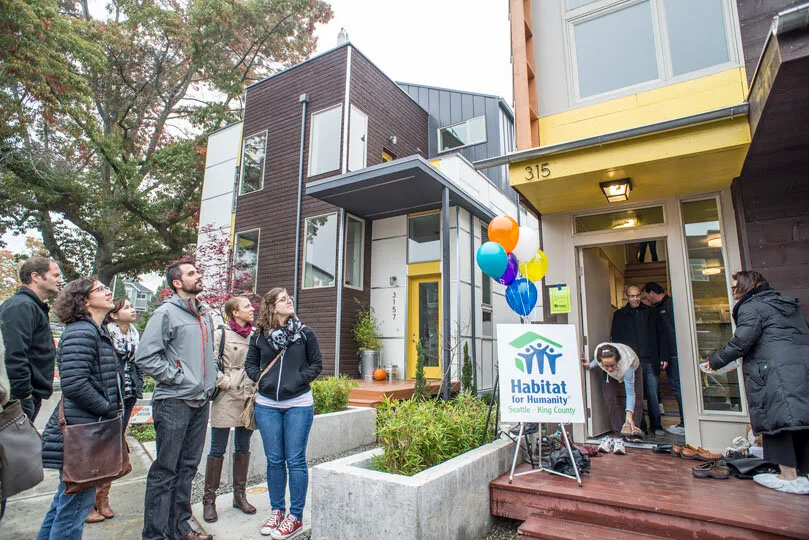
Last Thursday, the Method Homes team joined project partners to celebrate the completion of the House of the Immediate Future (HOIF) with a ribbon cutting and dedication ceremony. The home was the result of a collaboration between a great project team including Habitat for Humanity of South King County and their volunteers, The Miller Hull Partnership, Dwell Development, Method Homes, and many others. The home, which is now located in Seattle’s Rainier Valley, was initially unveiled at the Seattle Center. It is inspiring to see the home in context in its final location at the Dwell Development, a community of beautiful, sustainable, 5-Star Built Green homes — including one of Seattle’s first Passive Houses as its next door neighbor.
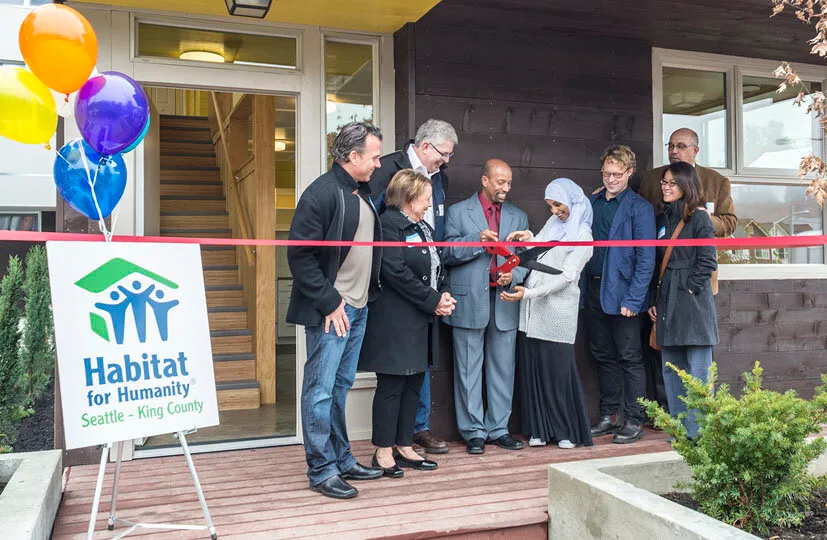
Present at the celebration was new HOIF homeowner Mohammed, who has been a hands-on part of the construction of the home, both at the Seattle Center and the Dwell Development.
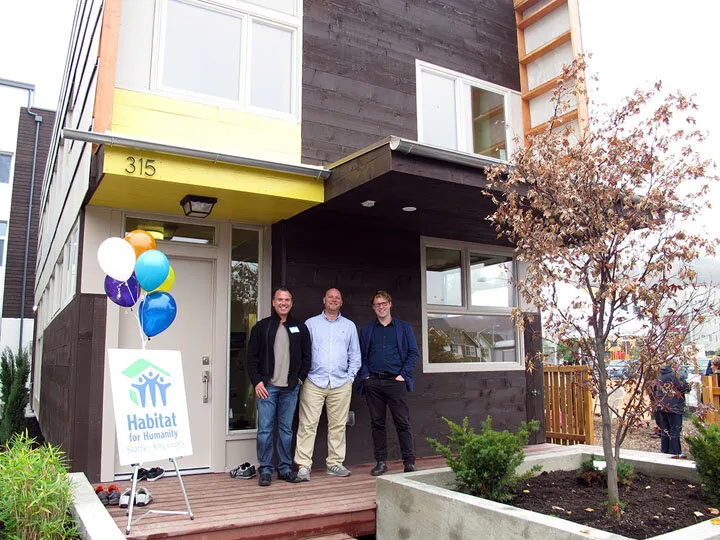
Pictured from left to right: Anthony Maschmedt of Dwell Development, Brian Abramson of Method Homes, and Mike Jobes of The Miller Hull Partnership.
Below shows HOIF as it was on display at the Seattle Center for the Next 50 Celebration, and then at its final site in the Dwell Development. (Photos from this post are courtesy of Miller Hull).
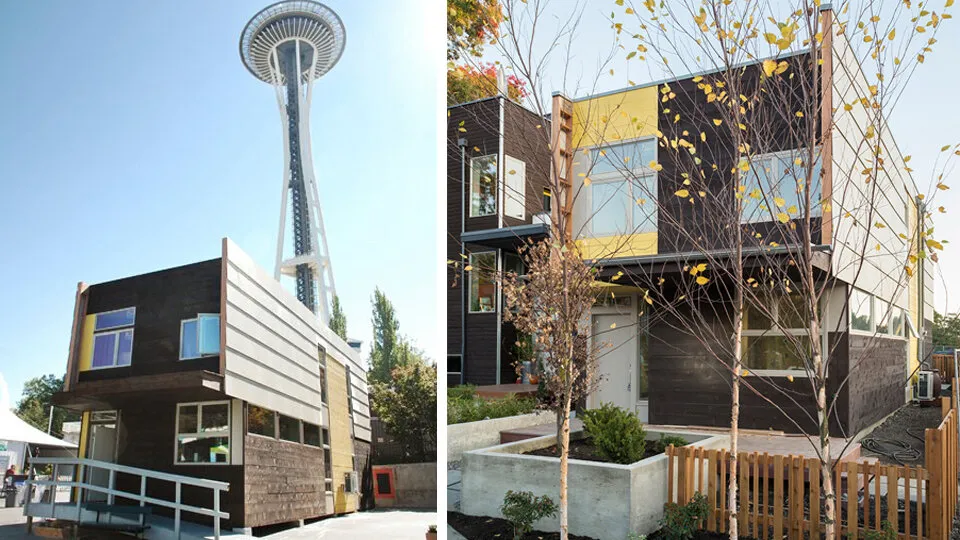
Method has been honored to be a part of this project. We look forward to seeing how Habitat for Humanity of South King County applies features, systems, and lessons learned from HOIF to future projects.
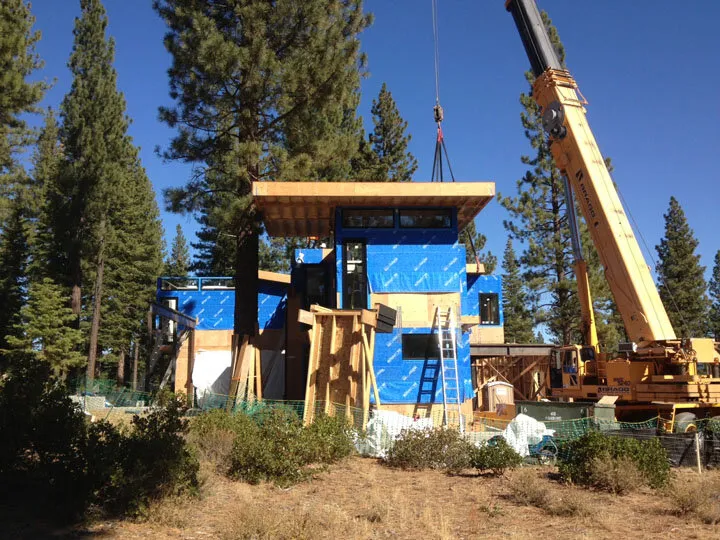
Method is excited to have a number of California homes currently underway and scheduled for construction in late Fall and Winter of 2013. Last Monday, the team headed down south to set a custom home designed by Sage Modern that will be located in the Martis Camp community, a luxury mountain home development situated between Truckee and North Lake Tahoe.
The Sage Modern home design focuses on indoor/outdoor living spaces with expansive deck and balcony areas and vaulted ceilings with large window walls. At 2,600 square feet and 7 modules, it took two days to install. Day one was setting the modules and day two was installation of the cold roof panels. We will post the time-lapse video of the set soon, and in the meantime, here are some stills from the install:

Two years ago, Seattle Business magazine’s popular Green Washington Awards spawned the Washington Green 50 list—a compilation of the 50 companies and organizations in Washington state considered to be among the most environmentally aware and actively committed to sustainable business practices.It was a way of expanding our recognition of green-minded companies beyond the various category winners we have been honoring with the Green Washington Awards since 2009. The category winners profiled are the best of the best, according to our panel of judges. But all members of the Washington Green 50 embody the principles that the Green Washington Awards celebrate — an abiding commitment to attaining and perpetuating sustainable commerce. Congratulations to this year’s Washington Green 50!