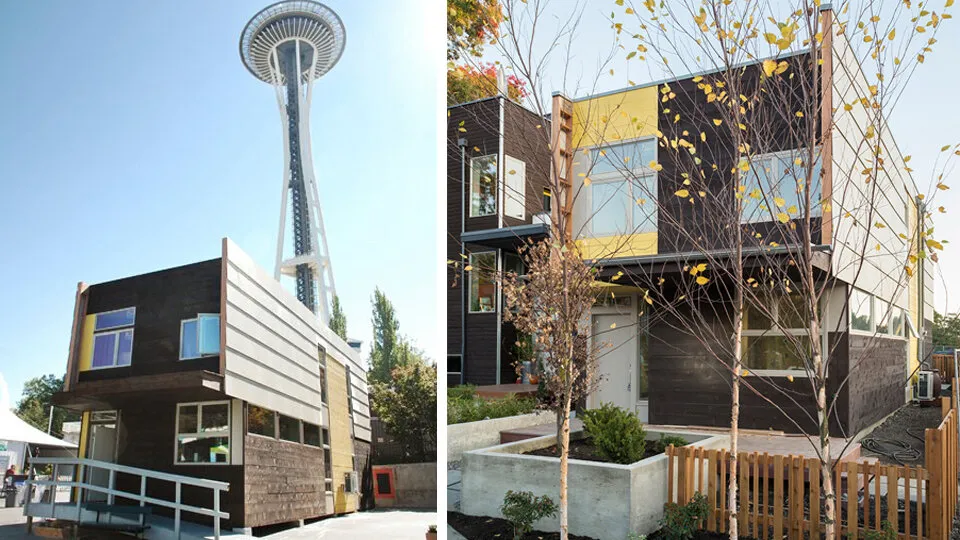
Seattle, Washington – On Thursday October 24, 2013, Habitat for Humanity, Method Homes, and project partners celebrated the completion of the Habitat for Humanity House of the Immediate Future (HOIF) in Seattle’s Columbia City neighborhood. Developed in collaboration with a “dream team” of Seattle-area green design and energy experts, the four bedroom, 1,400 square foot home utilizes design focused on sustainability, efficiency, and affordability. Approximately one year after being on display at the Seattle Center, a family of six selected through the Habitat for Humanity South King County (SKC) homebuyer program will move into their new home in its permanent location.
A project that was several years in the making, the House of the Immediate Future was first showcased in 2012 at the Seattle Center as part the Next 50 anniversary celebration of the 1962 World’s Fair in response to an exhibit on futuristic housing at the original event. Incorporating ideas from a 2011 think tank with more than 60 local design, energy, and housing experts, the home was designed by The Miller Hull Partnership, a firm known for simple, authentic public designs and innovative yet affordable residential work.
“Our initial idea to demonstrate advances in green building in the last 50 years was amplified by the opportunity to work with Habitat SKC in raising awareness of what is now within reach for any homeowner,” said Ron Rochon, managing partner, The Miller Hull Partnership. “It is immensely gratifying to see the tremendous amount of work on the part of so many project partners come full circle, and to now provide a wonderful family with an inspiring, efficient and healthy home.”
HOIF utilizes a part modular, part site-built hybrid construction approach that could serve as a building model for future Habitat for Humanity projects. Habitat SKC and Miller Hull partnered with Method Homes, who constructed the home’s prefabricated ‘wet core,’ (kitchen, bath, and mechanical rooms). In this way, skilled labor — including plumbing and electrical work — is centralized and completed before arriving to the site, while still allowing for volunteers, a key component of the Habitat model, to complete the balance of construction.
Designed for maximized efficiencies, green features of the net-zero energy capable home include a super insulated building envelope, prefabricated panelized walls, radiant floor heating, high-efficiency windows, reclaimed siding, and wall panels and a rainwater harvesting system. Net-zero Energy is a term used to describe a building that uses as much energy as it produces on site, resulting in no energy consumption and carbon emissions annually.
“We began working toward the goal of all our new homes achieving ‘net zero’ by 2030 in 2008,” said Matt Haight, Habitat SKC’s director of construction. “HOIF provided a rare opportunity to move closer to that goal by collaborating with the best and the brightest in the local design/build community and to prove that sustainable design can be affordable.”
After serving as a display house to demonstrate ways in which green building design and techniques can be applied on a modest and affordable scale, the structure was disassembled and relocated. Its permanent site is located in Seattle’s Columbia City neighborhood in the Dwell Development, one of the largest sustainable micro-communities in the country.
New HOIF homeowner Mohammed Mohammednur — who’s family of six includes his wife, mother-in-law, 10-year-old daughter and twin 5-year-old sons—has been an instrumental part of the completion of the home as a volunteer and was present for the dedication ceremony.
For more information on House of the Immediate Future, please visit: habitatskc.org/house-of-the-immediate-future/
Project Partners: The Miller Hull Partnership, The Seattle Center, Method Homes, Dwell Development, Northwest Energy Star, King County Green Tools, Northwest Mechanical, Seattle Housing Authority, Homestead Community Land Trust, Weyerhauser Corporation, City of Seattle DPD, Sellen Construction, Tadashi Shinga, DOW Corning and KDR Envelope Consultants, and hundreds of Habitat for Humanity volunteers.
About Method Homes
Method Homes (Method) is a custom manufacturer of precision-built prefabricated structures. The company offers both pre – designed models and fully custom prefabrication of any design by any architect. Founded with a mission of adding innovation to the future of construction, Method is guided by the core value of thoughtful, sustainable design.
About Habitat for Humanity Seattle-King County
Habitat for Humanity SKC, an affiliate of Habitat for Humanity International, is a faith-based, nonprofit housing organization that brings people together to build homes, communities and hope. Habitat SKC is dedicated to eliminating substandard housing through constructing, renovating and preserving homes; by advocating for fair and just housing policies; and by providing training and access to resources to help families improve their shelter conditions. Habitat SKC builds more than houses—we transform local communities. Habitat SKC has built, renovated or repaired more than 340 homes for families in need of affordable housing in 17 communities within King County.
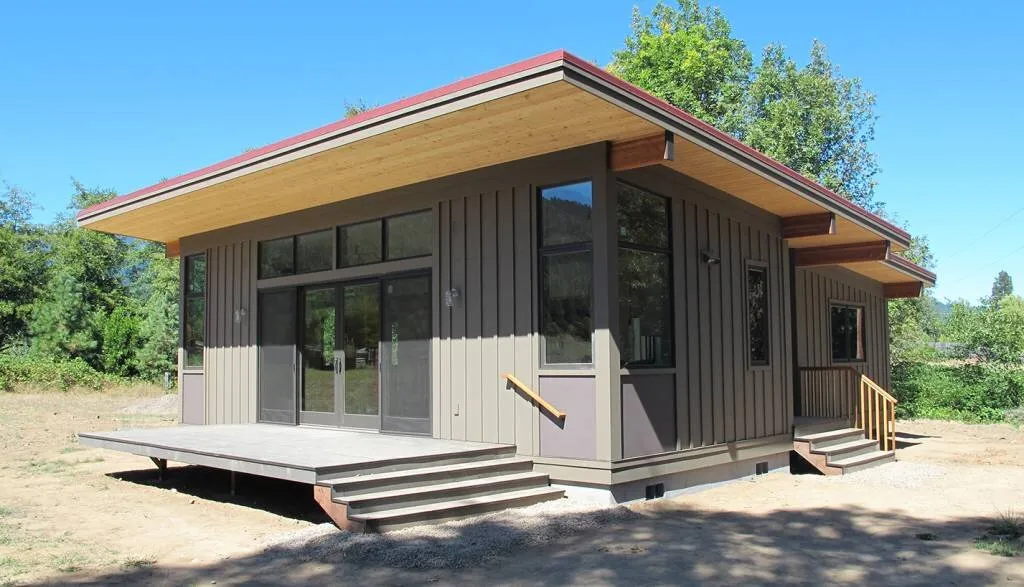
Method recently finished a Method Cabin Model 2 situated on 7 acres on an organic working bison ranch in Williams, Oregon. Our clients are offering the new home as a rental property, which also includes the optional rental of a horse barn and amenities.
The 1,298 square foot, 2 bedroom, 1 bathroom cabin offers beautiful South facing views of Williams Creek and Grayback Mountain as well as Western views of the neighboring bison pastures. Features include sustainably harvested FSC bamboo floors, custom maple cabinetry, pine tongue and groove ceilings, a live edge maple bartop, a built-in office nook, laundry room, stainless steel ENERGY STAR rated appliances, a wood stove, and a quarter mile of private creek access.
Details and floorplans for the Method Cabin Model 2 can be viewed here. For more information on renting this home, please contact: info@fullcirclebisonranch.com.
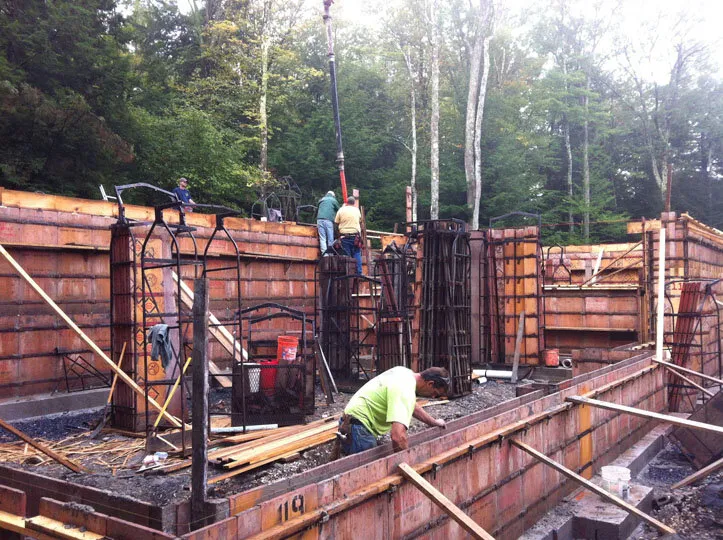
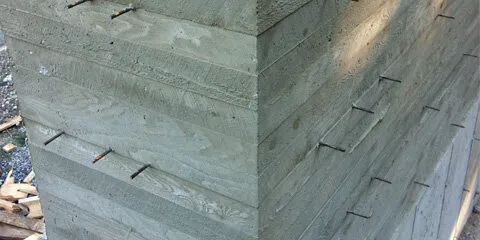
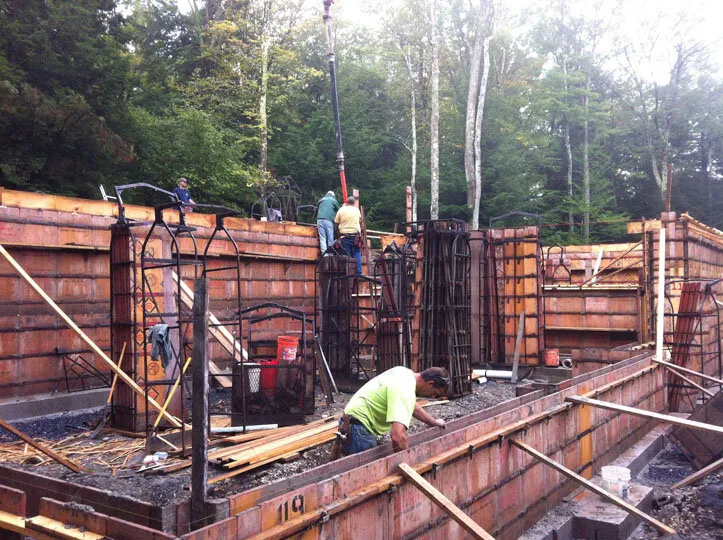
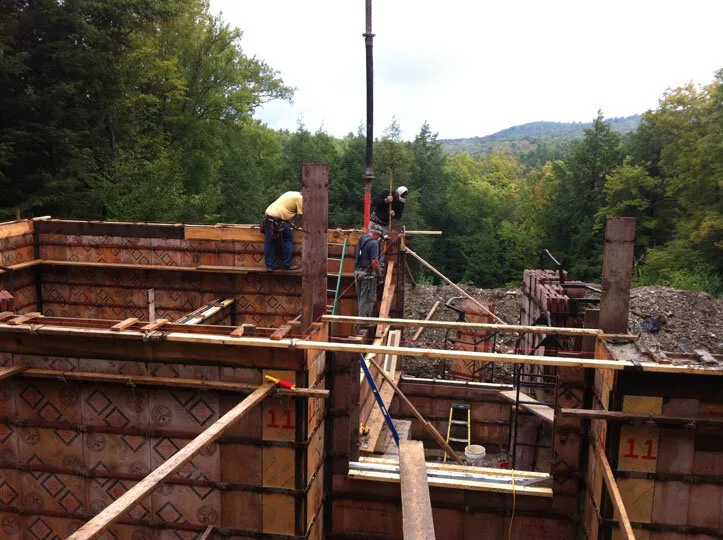
Last week wrapped up with the foundation wall pour of our new project, a custom prefab residence in Massachusetts designed by New York-based firm McBride and Associates Architects. The wall is a board-formed concrete, which picks up the wood grain detailing.
Below shows how the board forms are constructed…
…and then stripped to reveal the foundation.
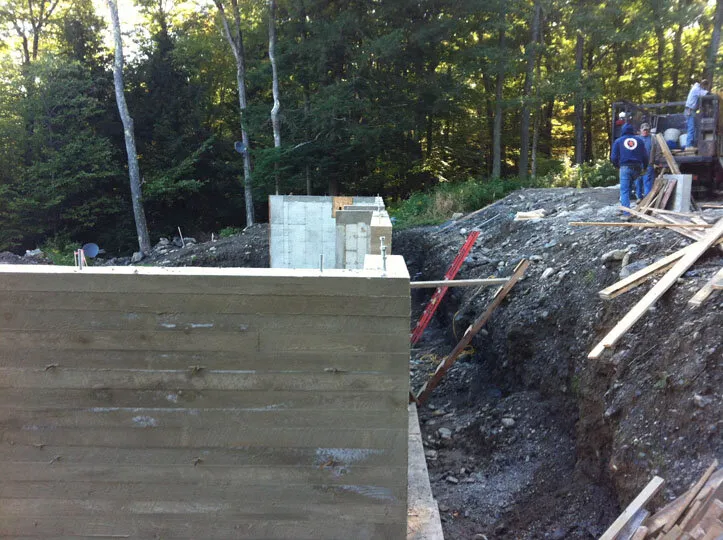
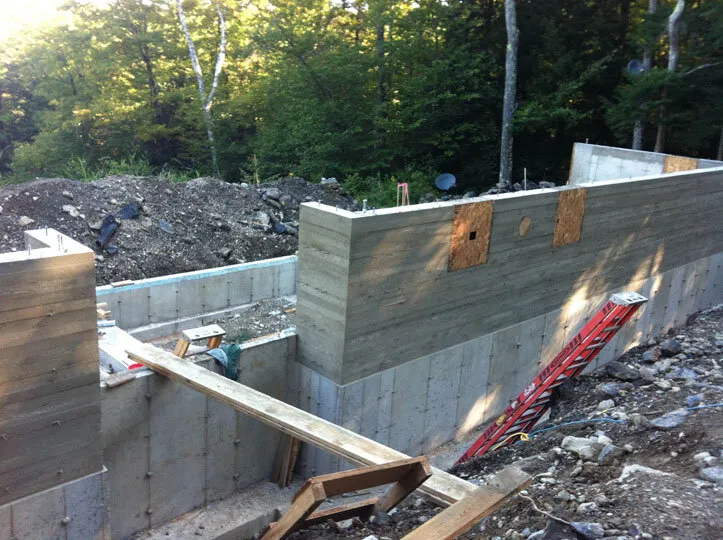
The ideabooks featured on Houzz have some great inspiration for various applications of board-formed concrete in modern design, including interior and exterior accent walls, outdoor areas, and fireplaces.
We are excited to see how the foundation looks with the home’s ship lap Red Cedar siding with aluminum accents.

Seattle-based prefab builder Method Homes has installed its first Los Angeles project, a 2,800-square-foot house in Venice Beach, and as owners Noah Craft and Belinda Tan lead a walk-through of the property, it's clear just how vast an improvement the prefab is over the young couple’s previous dwelling, the garage at the back of a century-old residence.“Nothing was salvageable in the main house,” Craft says. “It would have cost more to renovate it than to build a new home.”Craft and Tan turned to a friend, Scott Currie, a trained designer who now runs Sagrada Wellness Yoga Retreat, which appealed to the couple’s love for nature and light. Currie collaborated with Method Homes to devise a design that could be shipped from Method's factory in Ferndale, Wash.The four-bedroom, 3.5-bath home feels like a spacious wood and glass cabin, with white walls inside and cedar siding outside. The home’s interior is airy thanks to a hemlock ceiling that rises to a lofty 11.5 feet, then slopes down to 10 feet. Custom maple cabinetry is topped with muted gray recycled concrete countertops; strand woven bamboo flooring and Craft’s self-built furniture add to the home’s laid-back style.
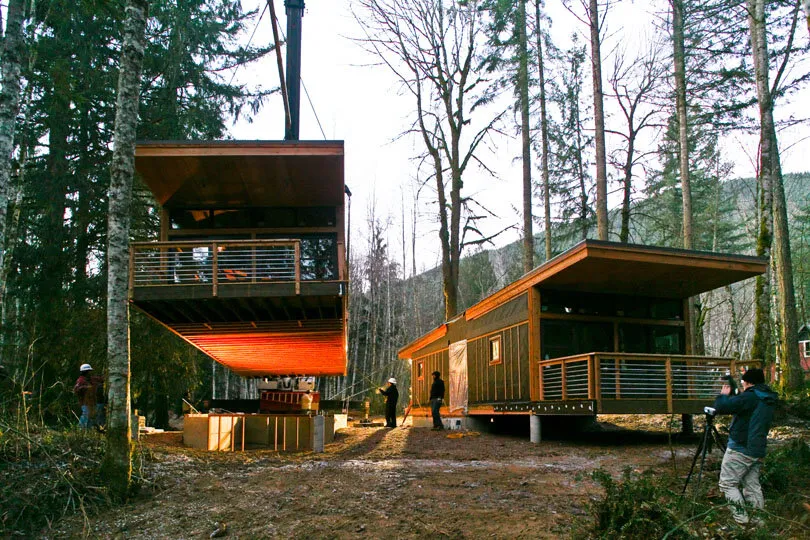
Nothing is more exciting for Method and our clients than set day. Here’s highlights from some of our favorite modular installs around the U.S. and Canada.
Want more? Visit our projects page to view the set time lapse videos.
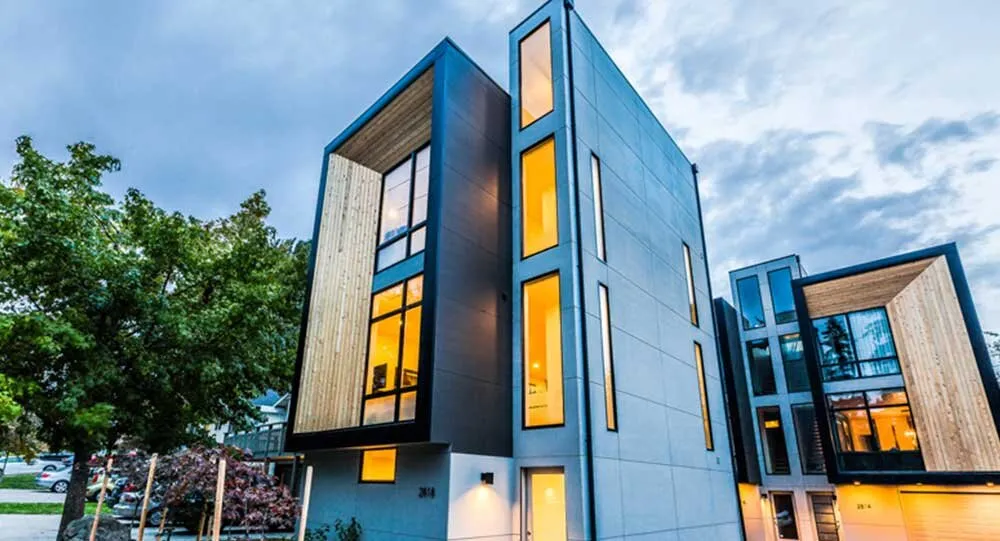
Method Homes is pleased to announce the start of a new 3-townhouse development project in partnership with RITCS Holdings, LLC located in West Seattle. The townhomes are designed by our architect partner Chris Pardo Design: Elemental Architecture, who we are also working with on a number of other projects, including custom homes and commercial work, in addition to select models from our Elemental Series.The townhomes have the signature clean, modern Chris Pardo Design aesthetic with large windows oriented to capture views of the West Seattle Golf Course and south facing light.Three stacked stories maximize the amount of bedroom space with the master bedroom on the third story. The second story is the main living area with an enclosed stair tower that eventually leads to the 200-plus square foot rooftop deck. Each unit also has an individual garage space for parking – something to be coveted in the city!Here is a view of the initial exterior rending, which shows the south orientation. Please stay tuned for updates on our construction progress, groundbreaking, and details for purchase.

German publication H.O.M.E. showcases high-design system houses that are environmentally-friendly, including the world's first HOMB in Portland.

Fast-growing Method Homes of Seattle is growing again — this time on the East Coast. Method Homes on Tuesday announced it has opened a 15,000-square-foot factory in Pottstown, Pa., where workers will build prefabricated houses and commercial buildings.Method Homes’ revenues grew nearly 785 percent from $520,000 in 2009, to $4.6 million in 2011. This put the company at the top of the Puget Sound Business Journal’s 2012 list of the 100 Fastest-Growing Private Companies in Washington.In Washington, employees work in a 55,000-sqare-foot factory in Ferndale, Whatcom County. The company launched a commercial division this spring; one of its first projects was Taproot Theatre’s annex at 204 N. 85th St., Seattle.